Byline: Time-style editorial, inspired by thoughtful, science-informed sleep coverage
The bed you rest on is more than a surface; it is a performative extension of your body’s needs across the night. Latex mattresses occupy a unique space in the sleep landscape, offering a blend of resilience, buoyant support, and temperature regulation that can satisfy a wide spectrum of sleepers. When choosing a latex mattress, you should weigh material origin, processing methods, and the nuanced feel that different latex chemistries deliver. This guide decodes the core distinctions so you can navigate showrooms and product pages with confidence.
Latex 101: What distinguishes latex from memory foam and innerspring?
Latex is harvested from the sap of rubber trees and transformed into a solid composite that can be natural, blended, or synthetic. Natural latex, often sourced from rubber tree plantations in regions like Sri Lanka or Malaysia, undergoes processing that preserves its inherent elasticity and breathability. Synthetic latex, sometimes blended with natural or other polymers, can alter feel and cost, trading some cushion for affordability. The real conversation happens in the middle ground: blended latex, which combines natural and synthetic components to achieve a particular balance of firmness, resilience, and temperature control.
Compared with memory foam, latex tends to offer more buoyant lift, reducing the “sinking in” sensation. It also tends to breathe better, thanks to its open-cell structure and natural airflow pathways. In contrast to innerspring systems, latex provides a more uniform contouring experience across the surface, minimizing motion transfer while still delivering substantial support. Each category has its pros and cons, and the right choice is often a function of sleep position, weight distribution, temperature sensitivity, and personal preference for feel.
Dunlop vs Talalay: two processing paths with distinct sensations
Latex mattresses owe part of their feel to the manufacturing process. Dunlop and Talalay refer to the way latex is poured into a mold, cured, and finished. Dunlop latex tends to be denser and heavier, delivering a slightly more elongated and supportive feel with less bounce. Talalay latex, on the other hand, is typically airier and softer at the top with more consistent cell structure thanks to a precise vacuum and flash-freezing method. The result is a mattress that can feel plush and buoyant with varying degrees of support depending on the blend and what layer you’re experiencing at the surface.
The choice between Dunlop and Talalay is not merely a technical footnote; it maps to comfort expectations. If you sleep on your back or stomach and prefer a firm, stable surface, Dunlop might be your friend. If you are a side sleeper seeking a softer, more contouring surface that still resists heat buildup, Talalay blends may be preferable. Many brands offer multi-layer constructions that combine both processes to deliver a balanced feel across the mattress. In evaluating models, pay attention to the profile (thickness), the layer order (top comfort layer vs. core support), and the overall firmness on a scale that makes sense to you.
Natural vs synthetic: materials that influence feel, temperature, and longevity
Natural latex is prized for its breathability, elasticity, and relatively low chemical footprint. When natural latex is certified by trusted bodies (such as GOTS, Oeko-Tex, or similar certifications for comfort and safety), it signals a commitment to cleaner materials and processing practices. Blended latex often contains a mix of natural and synthetic latex to achieve a particular price point or feel profile, balancing durability, cost, and temperature behavior. Synthetic latex can offer stable, consistent feel, sometimes with a cooler surface and lower cost, but it may require more careful care to avoid developing odor or heat retention over time.
Curtain-raiser tips for shoppers: read the certification details, check the product’s cover and comfort layer construction, and understand the composition of the latex blocks themselves. A mattress that discloses a high natural latex content and a transparent supply chain will typically align with buyers seeking a more eco-conscious and durable option. Regarding longevity, latex mattresses are frequently among the most durable choices in the bed market, especially when paired with a robust support core and breathable cover.
Practical selection tips: matching firmness to sleep position, cover materials, and exploration questions
Comfort is a highly personal equation, yet certain guidelines help align expectations with reality. Side sleepers often benefit from a slightly softer top layer to accommodate shoulder and hip alignment, while back and stomach sleepers may prefer firmer surface contact to maintain spinal neutrality. For heavier individuals, a denser latex core can help preserve structural integrity and reduce sagging over time. Lighter sleepers might enjoy the buoyant feel of Talalay latex, allowing easy movement and relief from pressure points without sacrificing support.
Beyond feel, consider three practical questions when evaluating latex mattresses:
- What is the latex content and processing method? Look for explicit disclosure of natural vs blended content and whether the product carries credible certifications.
- What is the configuration of the comfort layers and core support? Multi-layer designs can tailor zones for pressure relief and spinal alignment.
- What are the cover materials and care requirements? Breathable, removable, and washable covers lengthen the life of the mattress and improve hygiene.
Care is also a factor in longevity. Latex tends to resist dust mites and is naturally resilient, but a quality cover, proper ventilation, and adherence to manufacturer care instructions extend the life of the mattress. For households with sensitivity concerns, look for certifications that address chemical emissions and ensure that the materials meet safety standards for indoor air quality. These subtle but meaningful details define whether your latex purchase will stand the test of time, night after night.
A practical, editorial guide to selecting a latex mattress within a real-world context
Consider the following scenario: you sleep in a median-weight range, you share a bed with a partner, and you value a surface that remains comfortable across seasons. In this context, a layered latex mattress with a Talalay top and a Dunlop core might deliver the right blend of softness at the surface and consistent support throughout the body. If you crave an extra measure of motion isolation, ensure the mattress includes a well-constructed top layer and a resilient core that minimizes partner disturbance without compromising your comfort.
The role of toppers and accessories in optimizing latex sleep surfaces
Even the best latex mattress can benefit from thoughtful accessories to optimize performance. A topper can adjust the immediate feel of the surface without requiring a full replacement. For example, a breathable topper like the Sonno Notte Comfort Mattress Topper—crafted with cashmere, silk, and wool layered over aerated gel foam—offers breathable stability and a refined surface that can complement a latex mattress. Such toppers can be rotated to promote even wear and are best paired with careful care and spot cleaning to maintain their temperature-regulating properties. Accessories like mattress protectors, breathable covers, and appropriate bed linens contribute to the overall sleeping temperature, moisture management, and comfort level of the sleeping environment.
A note on trust, science, and credible sourcing
As with any mattress discussion, the credibility of information matters. Seek sources that present transparent material details, independent testing, and consistent terminology. When a product lists latex content and processing details, corroborate with third-party certifications and independent reviews. Credible sleep research is often published in journals and allied health publications; cherry-picking data or marketing puffery can mislead even the savviest shopper. In a market crowded with claims, a grounded, evidence-informed approach helps readers discern value, durability, and genuine comfort potential.
Key takeaways
- Natural latex offers breathability and resilience, while synthetic or blended latex can alter price and feel. Understanding the composition helps predict performance and longevity.
- Dunlop vs Talalay processing yields different surface textures and durability profiles. Consider your preferred balance of support and contouring when selecting a model.
- Firmness should be matched to sleep position and body weight, but layering and core construction matter just as much as overall firmness. Look for a design that delivers spinal alignment and relief in pressure hotspots.
- Certifications and materials disclosures matter. A transparent supply chain and independent testing programs underpin trust and long-term satisfaction.
In the broader constellation of sleep strategies, a latex mattress stands as a durable, potentially breathable option that can serve a wide range of sleepers. It is not a universal remedy, but with careful evaluation, it can be a reliable anchor to a restful night and a healthier daytime rhythm. The key is to translate technical specs into lived experience—how the bed feels, how it regulates temperature through the night, and how it maintains comfort across seasons and changing sleep needs.
As you embark on your latex mattress journey, let clarity guide your choices. The goal is not simply a better night’s sleep but a sustainable, informed relationship with your everyday environment—a space that respects both science and personal comfort, a space where the top of beds is indeed the top of knowledge about sleep itself.
Key figures across time who shaped our understanding of sleep and materials
Hypnos of Ancient Greece (mythic influence on sleep)
Timeframe: Antiquity
In literature and myth, Hypnos personified sleep itself, reminding us that the quest for restful nights has long been woven into human storytelling. Though not a scientist, Hypnos represents the timeless cultural recognition that sleep is a shared human need, deserving respect and ritual.
Sir James Dyson (modern materials imagination)
Timeframe: 20th–21st century
Though not directly tied to mattresses, Dyson’s spirit of innovation—engineering surfaces that balance airflow, shape, and function—echoes in the modern approach to breathable covers and optimized sleeping surfaces. The ethos of blending science and everyday comfort informs how we examine latex and topper technologies today.
Dr. Hans Selye (stress physiology and sleep)
Timeframe: 20th century
Enduring explorations of how stress impacts healing and rest illuminate why sleep quality matters in overall health. Selye’s work helps frame the bedding conversation in terms of sleep architecture, circadian rhythms, and recovery—topics that inform modern sleep science explainers and design guidance alike.
Product spotlight: a premium topper enhancing latex sleep surfaces
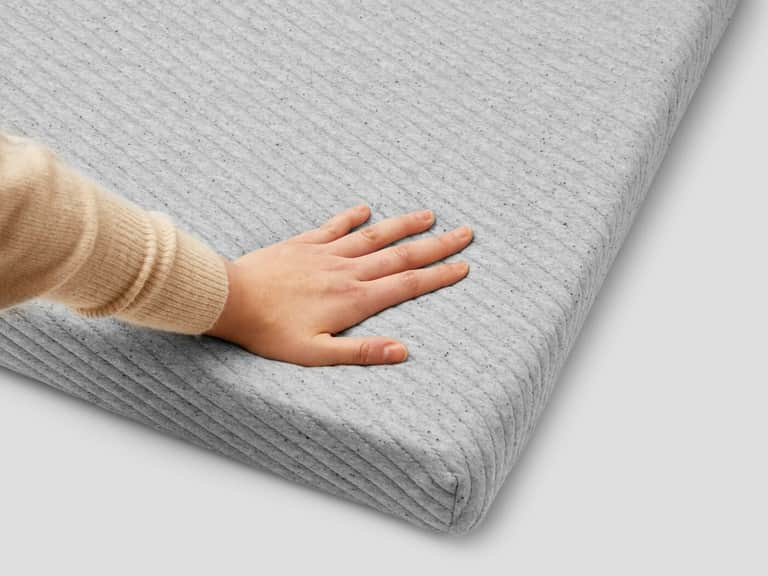
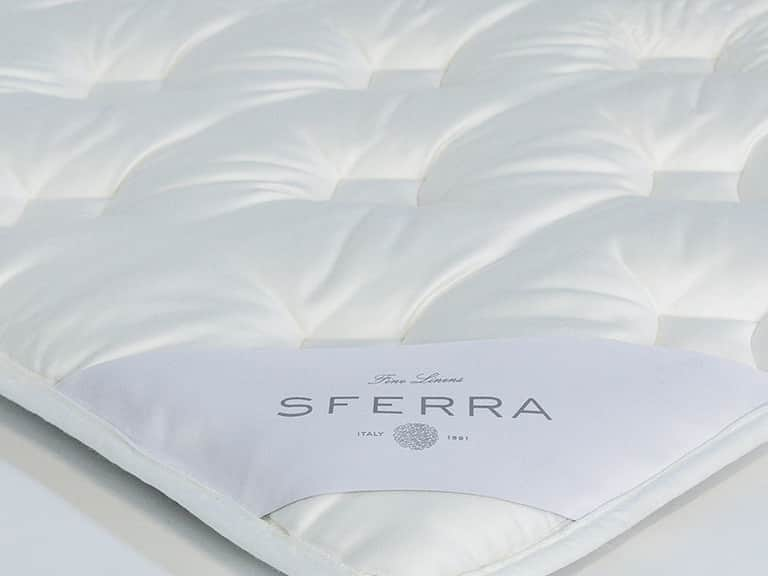
Sonno Notte Comfort Mattress Topper
Made to order in the USA; cashmere, silk, wool with aerated gel foam; silk blend ticking.
This topper marries luxury fibers with breathable foam to provide a stable, breathable surface atop a latex or other core. It offers a refined sleep experience with temperature regulation and a premium feel that can complement a latex mattress by adding surface softness without sacrificing support.
Price: $890.00
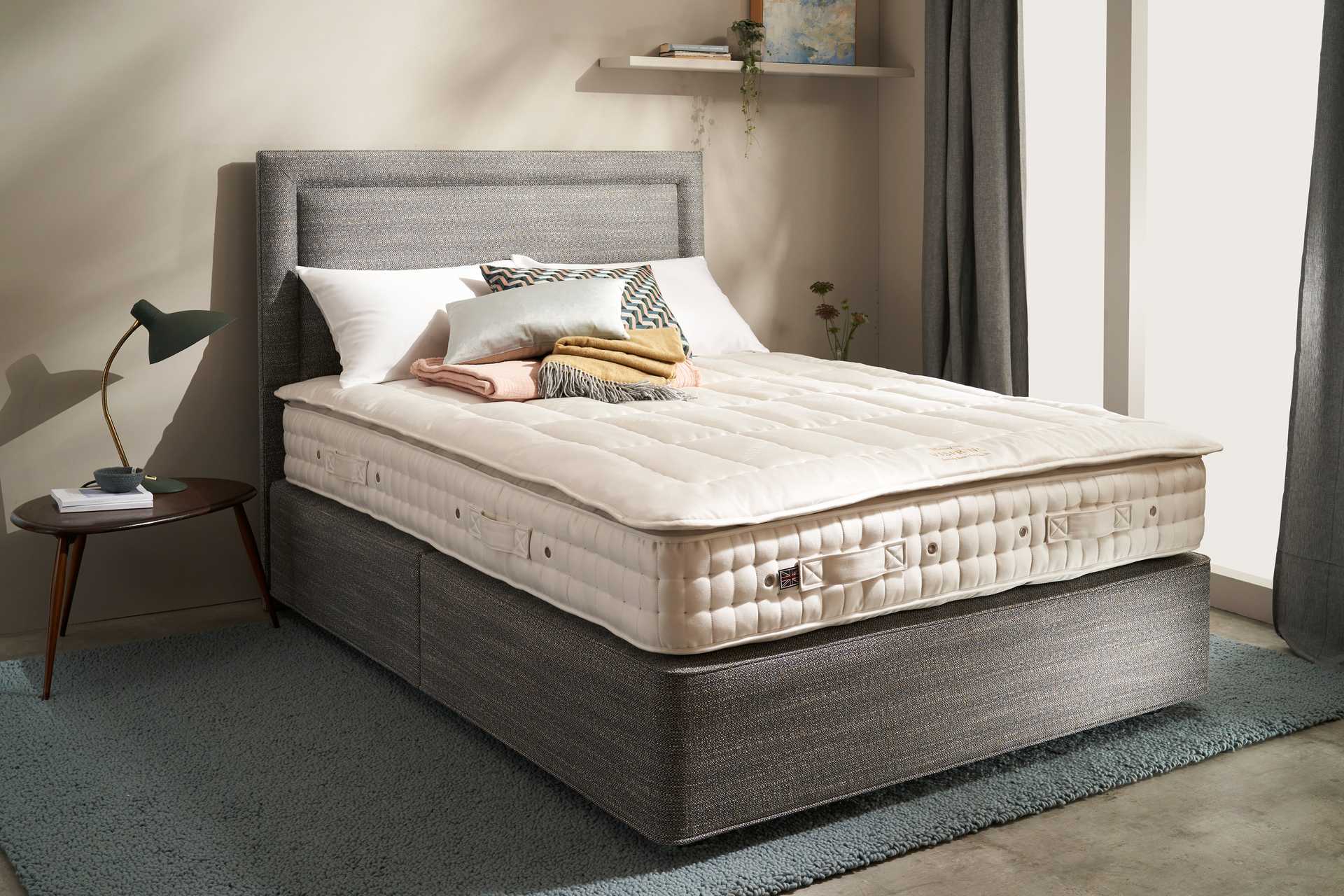
Vispring Heaven Luxury Supreme Mattress Topper
Natural wool blend with horsetail; temperature regulation and luxury finish.
A high-end topper that emphasizes natural materials and temperature balance, aligning with latex users seeking a plush, breathable upper layer that complements a robust support core.
Price: $2,575.00
Closing remarks: a thoughtful, evidence-informed path to better sleep
In a landscape crowded with claims, latex remains a reliable option for sleepers who value breathability, durability, and a mid-to-long-term comfort horizon. By focusing on material content, processing techniques, and the practicalities of firmness and layering, readers can approach showroom floors and online catalogs with a clear framework. The right latex mattress is less a single product and more a carefully chosen relationship between body, room, and routine. As the science of sleep continues to evolve, the core aim remains simple: a bed that supports a healthier, more restorative night, and a daytime that benefits from it.